Hawaiian Place Names and Their Meanings
Every bay, peak and valley has a name that describes it. Learn to read the map.
Get Free Hawaii Trip QuotesWhat Hawaiian Place Names Mean
Hawaiian place names are descriptions, and once you know a few root words you can read the landscape from the map. A name may tell you where fresh water flowed, which side of the island catches the rain, what a legend says happened there or how a hill looks from the sea. This page gives the meanings of names visitors meet most, drawn from standard Hawaiian references.
| Name | Island | Meaning |
|---|---|---|
| Waikīkī | Oʻahu | Spouting water, from the springs and streams that once fed wetlands and fishponds there. |
| Honolulu | Oʻahu | Sheltered or protected bay, for the harbor. |
| Lēʻahi (Diamond Head) | Oʻahu | Often explained as the brow of the ʻahi (tuna), for the crater’s profile. Sailors who mistook calcite crystals for diamonds gave it the English name. |
| Puʻuloa (Pearl Harbor) | Oʻahu | Long hill. The English name comes from the pearl oysters once found there. |
| Kailua | Oʻahu and Hawaii Island | Two seas or two currents. |
| Haleakalā | Maui | House of the sun; in legend the demigod Māui snared the sun here to slow its path. |
| Lāhainā | Maui | Commonly translated as cruel sun, for the hot, dry west Maui coast. |
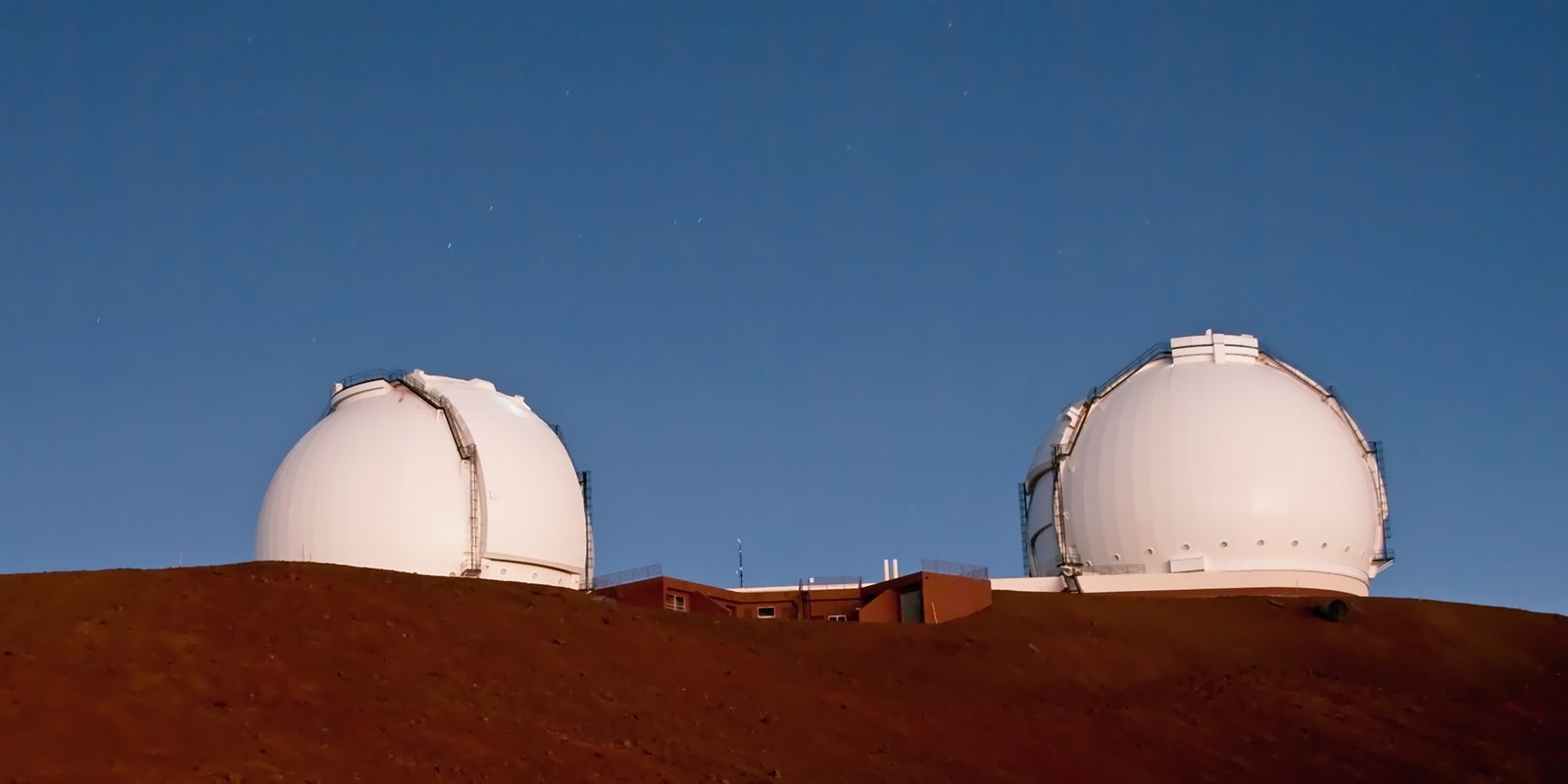
| Mauna Kea | Hawaii Island | White mountain, for the snow that can cap the summit in winter. A shortened form of Mauna a Wākea is also used. |
| Mauna Loa | Hawaii Island | Long mountain, for its broad, gentle shape. |
| Kīlauea | Hawaii Island | Spewing or much spreading, for the volcano’s eruptions. |
| Kona and Koʻolau | All islands | Kona means leeward (the dry side); Koʻolau means windward (the wet side). |
| Waimea | Kauaʻi, Hawaii Island and Oʻahu | Reddish water, for the color of streams running through red earth. |
| Nā Pali | Kauaʻi | The cliffs. |
| Waipiʻo | Hawaii Island | Curved water. |
Root Words That Unlock Hawaiian Names
- wai — fresh water
- kai — sea, salt water
- mauna — mountain
- puʻu — hill
- hale — house
- lani — sky, heavenly, royal
- nui / iki — big / small
- hono — bay
- kahakai — beach
- ala — path or road (Ala Moana, the ocean road)
With those roots, many names explain themselves: Kailua is two seas, Waimānalo is fresh water made calm, and Lanikai combines sky and sea. Road trips become a game of reading the names as you pass them. Driving guides for each island are on Maui Planner, Best of Kauai, Best of Hawaii Island and Best of Honolulu.
Names With Stories
Some Hawaiian place names come from moʻolelo, the traditional stories. Haleakalā is tied to the demigod Māui, who climbed the mountain to lasso the sun and make the days longer. Pele, the goddess of volcanoes, is said to make her home at Kīlauea, in the crater called Halemaʻumaʻu, and many names around Hawaiʻi Volcanoes National Park refer to her and her family. On Kauaʻi and Oʻahu, valleys and peaks are linked to chiefs, battles and the gods of the land. Rangers, cultural practitioners and local guides tell these stories best; when they do, listen for the names.
A practical note: Hawaiian names are repeated across islands. There is a Waimea on Kauaʻi, another on Hawaii Island and a Waimea Bay on Oʻahu, and Kailua exists on both Oʻahu and Hawaii Island. Check the island before you set the GPS.
Frequently Asked Questions
Why do so many places in Hawaii start with wai?
Wai means fresh water, which was precious and carefully managed. Places named for streams, springs and pools (Waikīkī, Waimea, Waipiʻo, Wailuku) show where water was found. Salt water is kai, as in Kailua.
Are the meanings of Hawaiian place names certain?
Many are well documented in standard references such as Place Names of Hawaii by Pukui, Elbert and Mookini. Some names have more than one explanation or a meaning tied to a story, so you will sometimes hear different translations from different people.
See the Places Behind the Names
Ask a travel specialist to plan a road trip or island-hopping itinerary. Free quotes, no obligation.
Get a Free Hawaii Quote