Hawaiian Culture and Language for Visitors
Words, place names, history, traditions and etiquette: the Hawaii behind the postcards, explained simply.
Get Free Hawaii Trip QuotesHawaiian Culture and Language, Explained for Visitors
Hawaiian culture is the living culture of the Native Hawaiian people, and it shapes almost everything a visitor sees in the islands: the names on the road signs, the way people give directions, the hula on a festival stage, the kalo (taro) in a valley field and the respect shown to certain rocks, streams and mountains. Hawaiian Information is a plain-spoken guide to that culture and to the Hawaiian language behind it, written for travelers who want to understand what they are looking at.
This is not a list of attractions. Our sister sites already do that well: My Hawaii Planner and Best in Hawaii cover things to do island by island, and the island guides go deeper on each place. Here we explain the words, names, history and customs that make those places make sense. If you are looking for how to say hello, what aloha really means or how lei greetings work, our companion site Hawaiian Greeting covers greetings and lei in depth.
Hawaiian Words and Meanings
About forty everyday words you will see and hear, from ʻohana and kuleana to mauka and makai.
The Hawaiian Language Alphabet
Thirteen letters, the ʻokina and the kahakō: how to pronounce Hawaiian correctly.
Hawaiian Place Names
What Waikīkī, Haleakalā, Mauna Kea, Lāhainā and other names actually mean.
Hawaiian History in Brief
From voyaging canoes to a kingdom, an overthrow, statehood and a cultural renaissance.
Culture and Traditions
Hula, music, kalo and poi, surfing, canoe paddling and the seasons of the year.
Etiquette for Visitors
Sacred sites, Pele and lava rocks, wildlife, private land and the word kuleana.
Why Hawaiian Culture Matters on Your Trip
Many visitors arrive thinking of Hawaii as a beach destination with a Polynesian theme. Residents experience it as a homeland with its own language, law and history, and a place where Native Hawaiian values are written into state law. Chapter 5 of the Hawaii Revised Statutes, for example, describes the “Aloha Spirit” and names hula as the official state dance.
Knowing a little Hawaiian culture changes a trip in practical ways. You will understand why a trail is closed out of respect rather than for safety, why people say they are going “mauka” instead of north, why a local host does not want you stacking rocks on a beach, and why some performances are sacred and others are entertainment. You will also pronounce names the way people who live there do, which is a small courtesy that goes a long way.
The Hawaiian Language in Five Facts
- Hawaiian is a Polynesian language, related to Tahitian, Māori, Samoan and Marquesan.
- The written Hawaiian language alphabet has just thirteen letters: five vowels, seven consonants and the ʻokina, a glottal stop.
- Every Hawaiian syllable ends in a vowel, and two consonants never sit side by side, which is why long words are easier to say than they look.
- The state constitution has recognized Hawaiian and English as the official languages of Hawaii since 1978.
- Pidgin, heard in everyday island conversation, is a separate creole language that grew out of the plantation era; it is not the same as Hawaiian.
Want more Hawaiian culture facts? Our state symbols page lists the official bird, flower, fish, dance, sport and even the official hand gesture, each with the law that names it.
How to Use This Guide
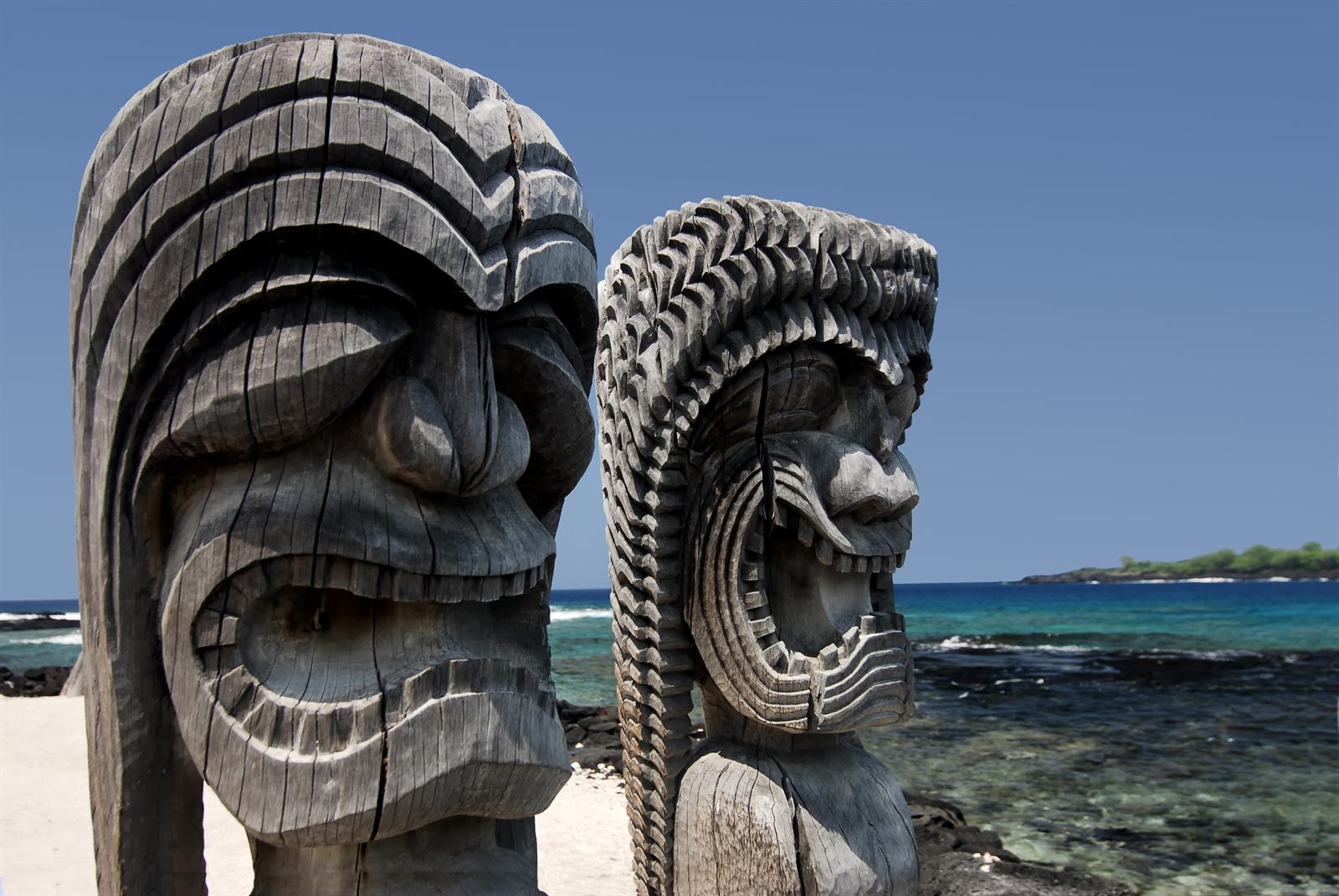
If you only have ten minutes before your flight, read the word list and the etiquette page. If you are visiting historic sites such as Puʻuhonua o Hōnaunau National Historical Park or the palace in Honolulu, read Hawaiian history in brief first. Families with children often enjoy the place-name meanings on road trips: every bay, valley and peak has a name that describes it.
When you are ready to plan, a travel specialist can put the islands, hotels and flights together for you. Compare hotels on Rooms Cheap, look at fares on Airfares for Less, or request a free Hawaii trip quote and tell us which places on this site you want to see.
Frequently Asked Questions
What is the best way to learn about Hawaiian culture on a vacation?
Start with the places where Hawaiians tell their own story: the Bishop Museum and ʻIolani Palace in Honolulu, Puʻuhonua o Hōnaunau on Hawaii Island, and hula performances by local hālau (schools) rather than resort floor shows alone. Learn a dozen words before you go, and say place names the Hawaiian way.
Is Hawaiian still spoken today?
Yes. Hawaiian (ʻōlelo Hawaiʻi) is an official language of the State of Hawaii alongside English. Native speakers became few in the twentieth century, but immersion preschools and public-school programs since the 1980s have raised a new generation of speakers, and you will hear it on the radio, at ceremonies and in place names everywhere.
Do I need to speak Hawaiian to visit Hawaii?
No. English is spoken everywhere. But using a few words correctly, and pronouncing place names with care, is noticed and appreciated, and it makes signs, menus and road directions easier to follow.
More From Our Travel Network
About Hawaiian Information
This site is part of the Smart Traveler network, led by Mister Cruise. He has sold travel since 1972 and worked full-time in the industry since 1977. He has sold or originated more than $500 million in cruises and has trained more than 500 travel agents.
When you ask for a trip quote through the Official Travel Directory, a travel specialist plans it with you personally — not a call center. Meet Mister Cruise →
Plan a Hawaii Trip That Goes Beyond the Beach
Tell a travel specialist which islands, cultural sites and festivals interest you, and get a free, no-obligation quote.
Get a Free Hawaii Quote