Hawaiian Culture and Traditions
Hula, music, food, ocean sports and festivals: living traditions, and how to experience them respectfully.
Get Free Hawaii Trip QuotesHawaiian Culture and Traditions You Can Experience
Hawaiian culture is not a museum piece. Hula schools train year-round, voyaging canoes still sail, families pound poi at home, and the ʻukulele is on stage every night somewhere in the islands. This page explains the main Hawaiian culture and traditions a visitor can respectfully see or join, and how to tell a cultural event from a show.
Hula
Hula is the official state dance and the great storytelling art of Hawaii. Each dance interprets a mele (chant or song) about a place, a person, a god or an event, so the hands are telling a story. Hula is taught in hālau (schools) led by a kumu hula (teacher). The best-known competition is the Merrie Monarch Festival in Hilo each spring, named for King Kalākaua; free performances also appear at shopping centers, parks and cultural centers. If you watch, applaud at the end, do not walk across the performance space, and ask before filming a sacred piece.
Music
The ʻukulele arrived with Portuguese immigrants in the late 1800s and became Hawaiian. Slack key guitar (kī hōʻalu), steel guitar and falsetto singing are distinct island styles. Hawaiʻi Ponoʻī, the state song, was written by King Kalākaua.
Food, Land and the Seasons
Kalo (taro) is more than food: in Hawaiian tradition it is the elder sibling of the Hawaiian people, which is one reason it was named the state plant. Wetland kalo grows in loʻi (irrigated terraces); several community groups welcome volunteers to work in them, a meaningful way to give back on a trip. Fishponds along the coast were a feat of engineering, and some are being restored today.
The traditional year had a season called Makahiki, roughly the winter months, dedicated to the god Lono, when war was set aside and games, harvest offerings and feasting took place. Makahiki games such as spear throwing and wrestling are revived at some events.
Ocean Traditions: Surfing and Canoe Paddling
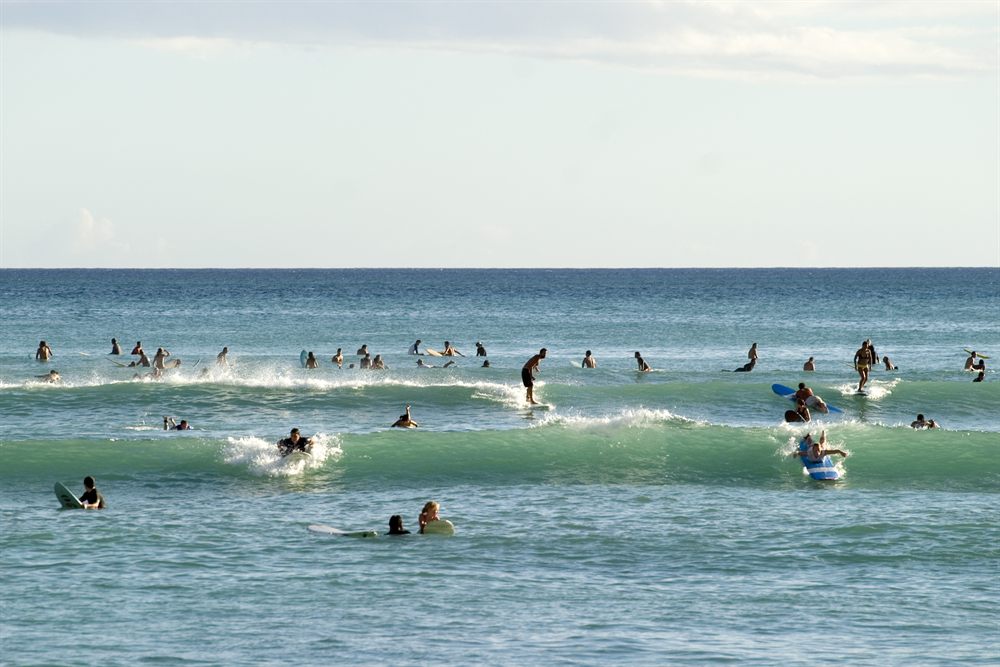
Surfing and outrigger canoe paddling are both Hawaiian, and both are official: state law names surfing the individual sport and canoe paddling the team sport. Duke Kahanamoku, the Olympic swimmer from Waikīkī, carried surfing to the world in the early 1900s. Canoe clubs race through the summer, and long-distance races cross the channels between islands in the fall. Visitors can take surf lessons or a canoe ride in Waikīkī; Shore Activities lists tours and lessons if you would like to book one.
Holidays and festivals
- Prince Kūhiō Day (March 26) honors Prince Jonah Kūhiō Kalanianaʻole, a delegate to Congress.
- Lei Day (May 1) celebrates the lei; see our Lei Day page.
- King Kamehameha Day (June 11) is a state holiday; the king’s statue in Honolulu is draped with long lei.
- Statehood Day (third Friday in August) marks admission in 1959.
- Aloha Festivals each September bring parades and street parties.
Frequently Asked Questions
What is the difference between hula kahiko and hula ʻauana?
Kahiko is the older style, performed to chant and traditional instruments such as the pahu drum and the ipu gourd. ʻAuana is the modern style, performed to songs with ʻukulele, guitar and bass. Hawaii law names the pahu as the official kahiko instrument and the ʻukulele as the official ʻauana instrument.
Is a lūʻau a real Hawaiian tradition?
Feasting is, and the word lūʻau comes from the taro leaves used in a classic dish. Commercial lūʻau shows mix Hawaiian food and hula with dances from Tahiti, Samoa and New Zealand. They can be fun, but they are not the same as a family lūʻau for a baby’s first birthday, which is a big local tradition.
Time Your Trip to a Festival
Want to see hula in Hilo or Kamehameha Day in Honolulu? A travel specialist can plan around it. Free quotes.
Get a Free Hawaii Quote