Hawaii Etiquette for Visitors
Respect for the land, sacred places and wildlife, and the reasons behind each custom.
Get Free Hawaii Trip QuotesHawaii Etiquette for Visitors
Respect in Hawaii is less about formal manners and more about how you treat the land, sacred places and the people who live there. The Hawaiian word for this is kuleana, the responsibility that comes with being somewhere. These are the customs residents most often wish visitors knew, with the reasons behind them.
Heiau and sacred sites
- Stay on marked paths and behind ropes. Heiau walls and platforms are not for climbing or sitting on.
- Do not move, stack or take stones. Stacked-rock piles and stones wrapped in ti leaves left by visitors are not traditional offerings and can damage a site.
- Leave things as you found them, and keep voices low, as you would in any place of worship.
- Respect closures. Some places are closed for cultural reasons, not only for safety, and some sit on private land.
Puʻuhonua o Hōnaunau National Historical Park, on Hawaii Island, is one of the best places to learn about sacred sites with rangers who explain the rules of kapu and refuge.
Pele, Volcanoes and the Land
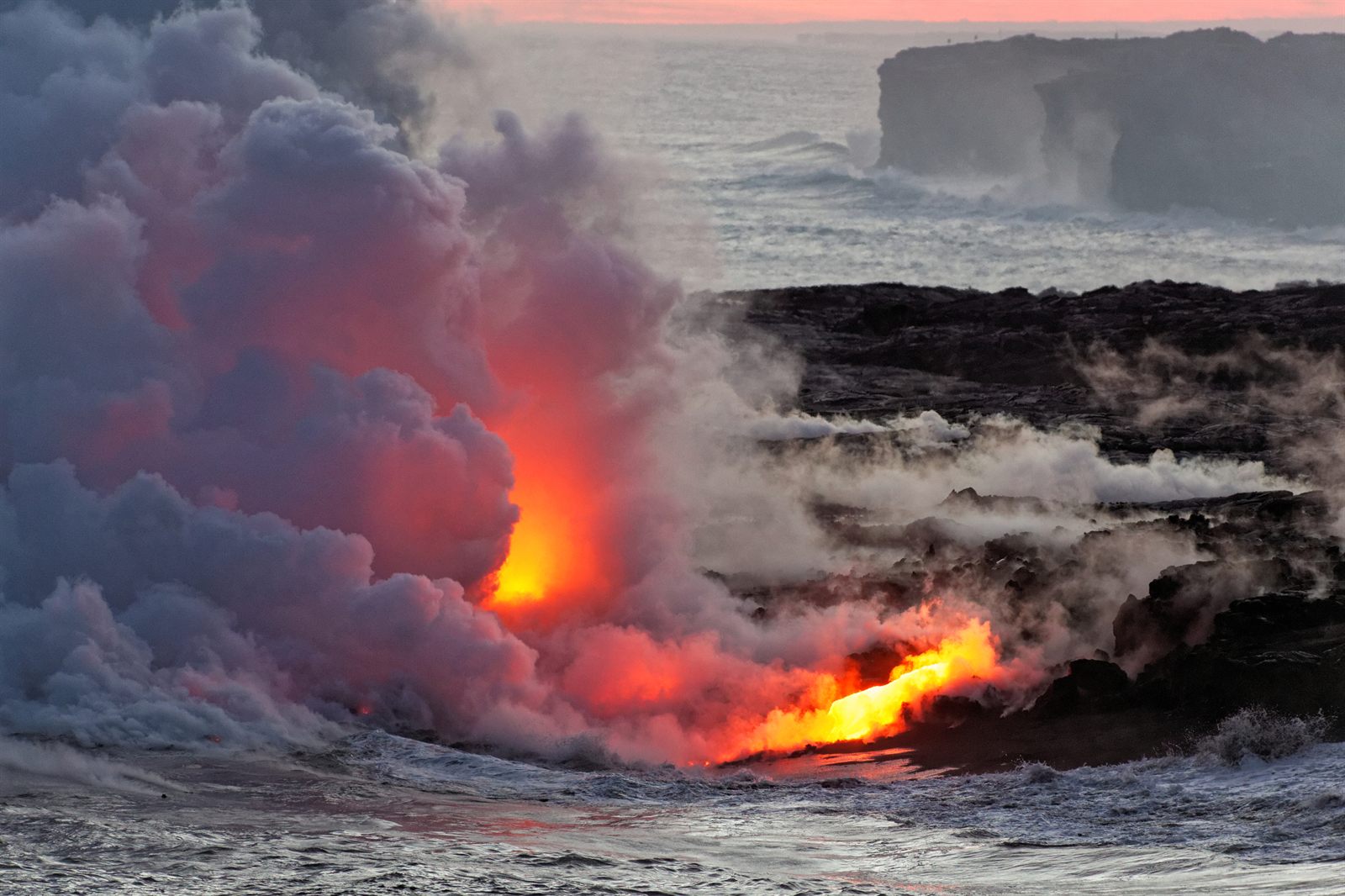
On Hawaii Island, Kīlauea is regarded as the home of Pele, and cultural practitioners still bring offerings to the crater. At Hawaiʻi Volcanoes National Park, follow closures and trail signs; volcanic gases and unstable ground are real hazards, and some areas are culturally sensitive. Do not take lava rocks home.
Across the islands, keep to trails, clean your shoes between hikes to avoid spreading plant diseases that threaten native ʻōhiʻa forests, and pack out everything you bring in. Mauna Kea, sacred to many Native Hawaiians, deserves particular respect.
Beaches, Wildlife and Everyday Courtesy
- Give honu (green sea turtles) and Hawaiian monk seals plenty of space. NOAA Fisheries publishes viewing guidance for the endangered monk seal.
- Do not stand on coral or feed fish; both damage the reef.
- Ask before entering private land, even when a path looks well used. “Kapu” on a sign means keep out.
- Take your shoes off before entering a home; it is near-universal in the islands.
- Drive with patience. Let people merge, and use the shaka (the official state gesture since 2024) to say thanks.
- Pronounce names carefully, and use Hawaiian words only where they fit.
Lei etiquette (accepting, wearing and disposing of a lei) has its own guide on Hawaiian Greeting.
Frequently Asked Questions
Is it really bad luck to take lava rocks from Hawaii?
The story is that Pele, goddess of volcanoes, punishes people who take her rocks, and the national park reports receiving mailed-back rocks from remorseful visitors. Whatever you believe, removing rocks, sand or plants from a national park is against federal rules, and taking them from beaches harms the places you came to see. Leave them.
How close can I get to sea turtles and monk seals?
Not close. Both are protected by law, and Hawaiian monk seals are endangered. Give them plenty of room, never touch or feed them, and follow the viewing guidance from NOAA Fisheries and any signs or volunteers on the beach.
Is it okay to call locals Hawaiians?
Hawaiian refers to Native Hawaiians, the indigenous people. Other residents are “locals,” “Hawaii residents” or kamaʻāina. Using the words correctly is a sign of respect.
Travel Respectfully, Travel Well
A Hawaii travel specialist can plan an itinerary with cultural guides and sites that welcome visitors. Free quotes.
Get a Free Hawaii Quote