Hawaii State Symbols and Culture Facts
The nēnē, the yellow hibiscus, hula, the shaka and more: each official symbol and the law that names it.
Get Free Hawaii Trip QuotesHawaii State Symbols and Hawaiian Culture Facts
Hawaii has a long list of official symbols, and many of them come straight from Hawaiian culture: a dance, a drum, a canoe sport, a plant at the heart of the traditional diet. Each is set out in Chapter 5 of the Hawaii Revised Statutes. Here they are with the section that names them, plus the colors and flowers that represent each island, so your Hawaiian culture facts come from the law itself rather than a souvenir card.
| Symbol | Official choice | HRS section |
|---|---|---|
| Popular name | The Aloha State | §5-7 |
| Motto | Ua mau ke ea o ka ʻāina i ka pono (“The life of the land is perpetuated in righteousness”) | §5-9 |
| Song | Hawaiʻi Ponoʻī | §5-10 |
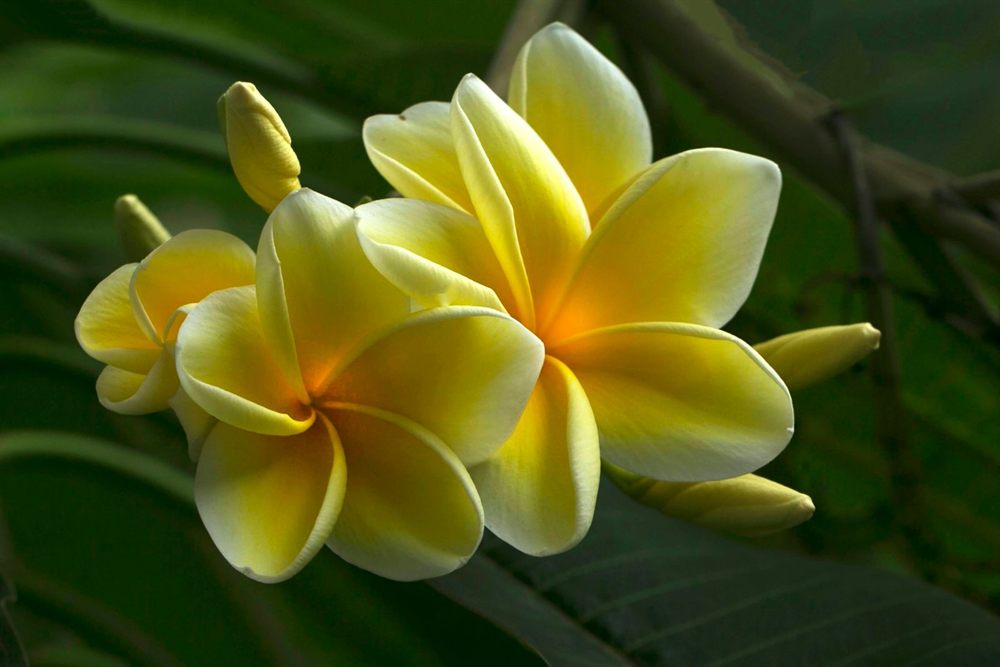
| Flower | Native yellow hibiscus, maʻo hau hele or pua aloalo | §5-16 |
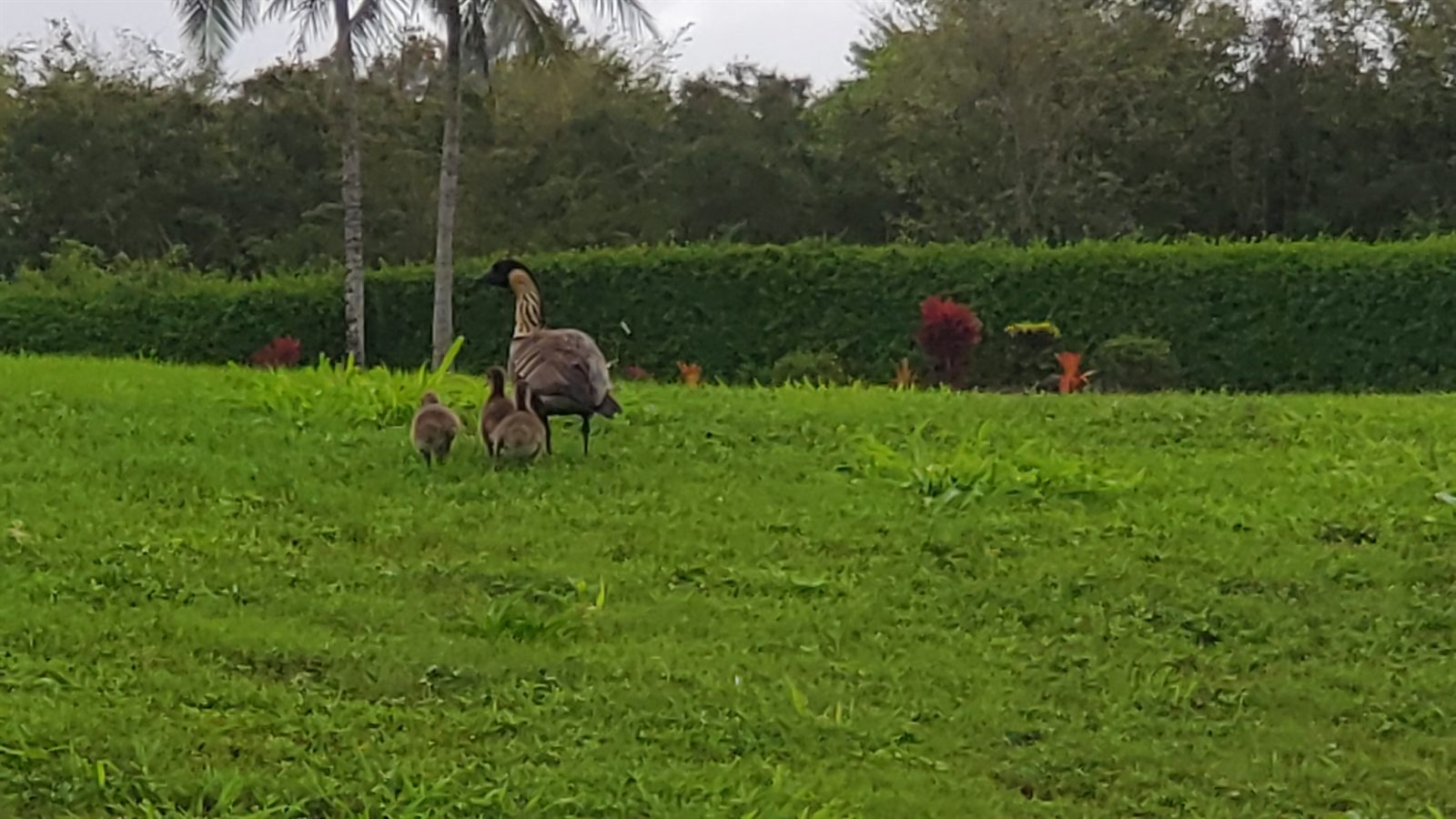
| Bird | Nēnē, the Hawaiian goose | §5-17 |
| Tree | Kukui, the candlenut tree; ʻōhiʻa lehua is the endemic tree | §5-8, §5-8.5 |
| Fish | Humuhumunukunukuāpuaʻa, the reef triggerfish | §5-11.5 |
| Mammal | Hawaiian monk seal | §5-12.5 |
| Marine mammal | Humpback whale | §5-12 |
| Land mammal | ʻŌpeʻapeʻa, the Hawaiian hoary bat | §5-12.2 |
| Plant | Kalo (taro) | §5-15.5 |
| Gem | Black coral | §5-15 |
| Dance | Hula | §5-21 |
| Instruments | ʻUkulele (modern hula) and pahu drum (ancient hula) | §5-10.5 |
| Sports | Surfing (individual) and outrigger canoe paddling (team) | §5-13.5, §5-14 |
| Gesture | The shaka | §5-23 |
Island Colors and Island Flowers
Each of the eight main islands has its own official color and its own flower or lei material, which is why school May Day pageants have a princess for each island dressed in her island’s color. You will also see the colors in lei, quilts and festival banners.
| Island | Color | Flower or lei material |
|---|---|---|
| Hawaiʻi Island | Red | ʻŌhiʻa lehua |
| Maui | Pink | Lokelani (damask rose) |
| Oʻahu | Golden yellow | ʻIlima |
| Kauaʻi | Purple | Mokihana (lei material) |
| Molokaʻi | Green | Kukui blossom (lei material) |
| Lānaʻi | Orange | Kaunaʻoa (lei material) |
| Niʻihau | White | Pūpū shells (lei material) |
| Kahoʻolawe | Gray | Hinahina (lei material) |
Five More Hawaiian Culture Facts
- State law describes the “Aloha Spirit” and lists five traits behind it: akahai (kindness), lōkahi (unity), ʻoluʻolu (agreeableness), haʻahaʻa (humility) and ahonui (patience).
- May 1 is designated “May Day is Lei Day in Hawaiʻi,” though it is not a state holiday.
- The nēnē is found nowhere else on earth and nearly disappeared in the twentieth century before conservation brought it back.
- The humpback whale is the state marine mammal; humpbacks spend the winter months in Hawaiian waters.
- The shaka became the official state gesture in 2024; the law even describes how to make it.
For more, read Hawaiian culture and traditions or Hawaiian history in brief.
Frequently Asked Questions
What is the Hawaii state flower?
The native yellow hibiscus, called maʻo hau hele or pua aloalo. Many visitors assume it is the plumeria or a red hibiscus, but state law specifically names the native yellow species.
Why does the Hawaii flag have a Union Jack?
The flag dates from the Kingdom of Hawaii, which had close ties with Britain in its early years. Its eight stripes stand for the eight main islands, and it is the only U.S. state flag that once flew over an independent kingdom.
Bring the Facts to Life
See nēnē on Kauaʻi, humpbacks off Maui and hula in Hilo. Ask a travel specialist for a free Hawaii quote.
Get a Free Hawaii Quote